

Why Does My Car Shake When Braking?
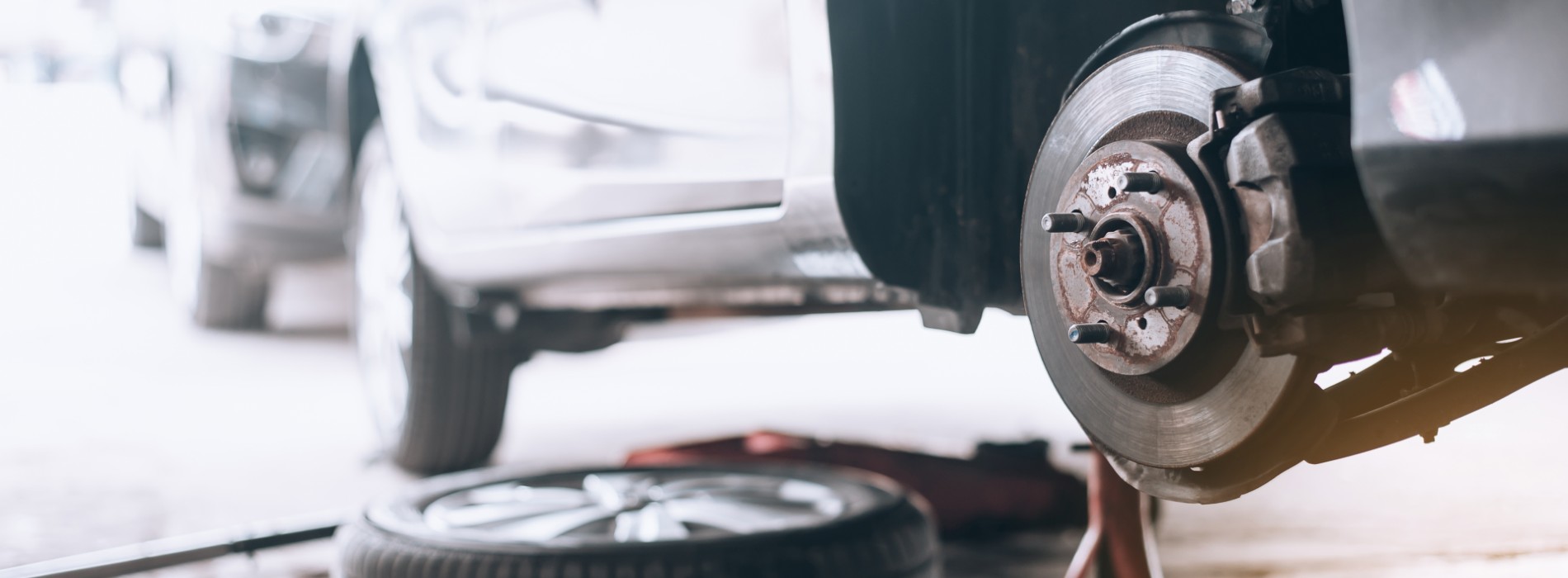
Coulter Cadillac Tempe Service Blog
QUICK ANSWER:
Shaking under braking usually comes from uneven rotors, worn pads, a sticking caliper, worn suspension parts, or tire and wheel problems. Because it can lengthen stopping distances, it deserves a professional inspection.
You're coming off the Loop 202, you press the brake pedal, and suddenly the steering wheel starts trembling in your hands. Unsettling, right? It's one of the most common concerns our service advisors hear at Coulter Tempe Cadillac. So, what causes a car to shake when braking? Usually it's the brake system, though tires, wheels, and suspension can play a role too. Here's what's going on, why it matters, and how to keep every stop feeling the way a Cadillac should.
Key Takeaways
- Uneven or warped rotors are the most frequent cause of shaking when braking.
- A shaking steering wheel usually points to the front brakes; a pulsing pedal can involve the rear.
- Worn suspension, tire flat spots, and alignment issues can also cause vibration.
- Brake vibration can increase stopping distances and accelerate wear elsewhere.
- Regular inspections and smart habits on long descents keep braking smooth.
The Most Common Reasons Behind Brake Vibration
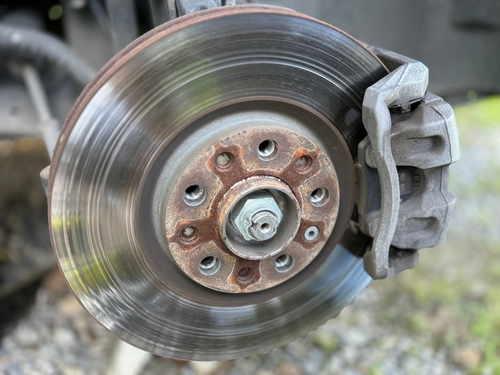

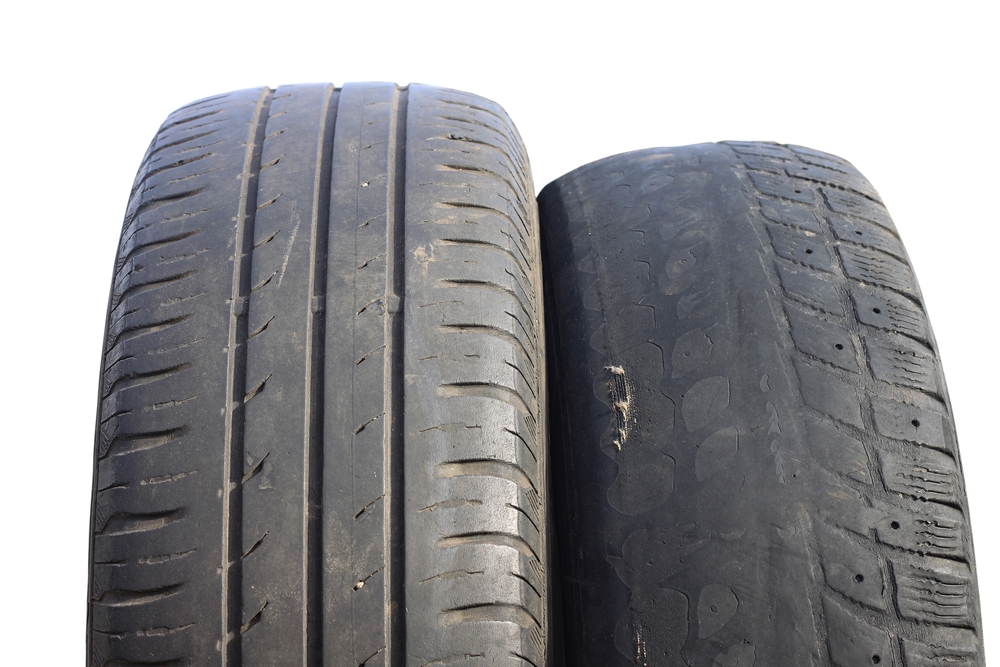
Brake Vibration Symptoms at a Glance
Match what you're feeling from the driver's seat to the most likely source. Our team still confirms every diagnosis with a road test and hands-on inspection before recommending a repair.
Why It Often Feels Worse on the Freeway
Ever notice your brakes shudder at high speed but feel fine in a parking lot? Braking turns motion into heat, and more speed means more heat and force, so small imperfections get amplified. Long descents make it worse. Our tip: coming down the Beeline Highway from Payson, use a lower gear and let the vehicle help slow itself.
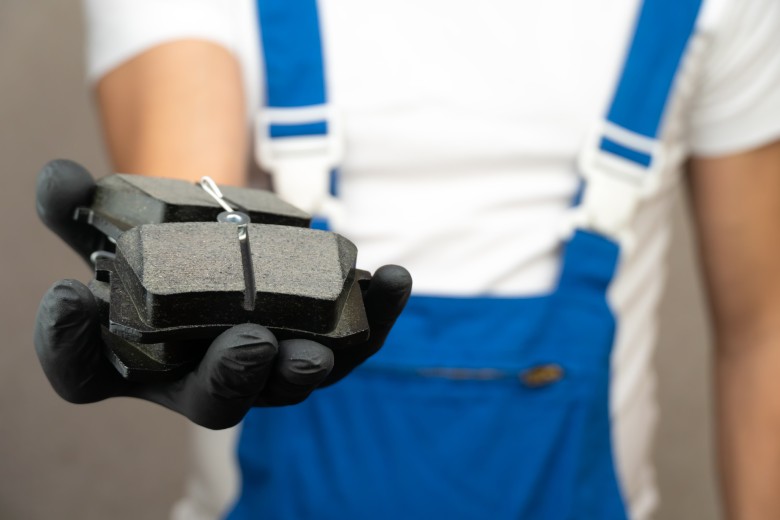
How to Prevent Brake Shaking
- Replace pads and rotors together when rotors are out of specification.
- Avoid repeated hard stops while new brakes break in.
- Rotate and balance tires at your owner's manual intervals.
- Schedule an alignment after a hard pothole or curb strike.
- Check tire pressure monthly, since desert temperature swings change it quickly.
- Avoid riding the brakes on long descents.
Why Professional Brake Service Matters
Here's the tricky part: a warped rotor, a bent wheel, and a worn tie rod can feel nearly identical from the driver's seat. Guessing means replacing parts you didn't need. Our technicians road test your vehicle, measure rotor thickness and runout, inspect calipers, check suspension components, and verify balance and alignment.
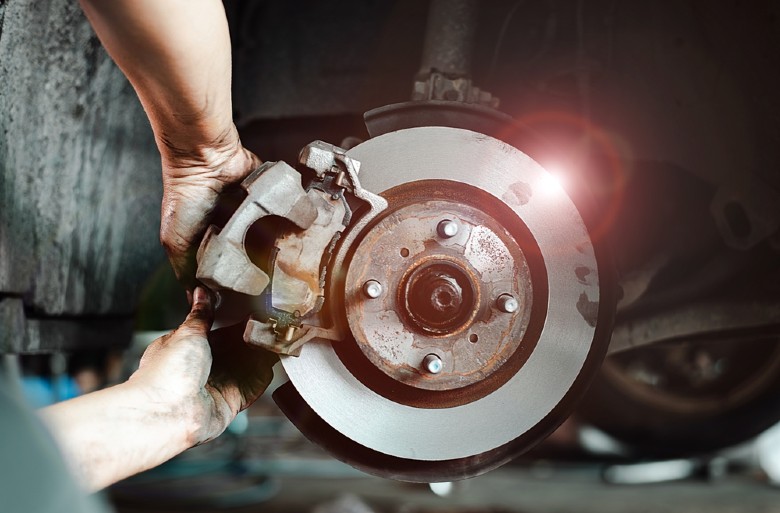
Smooth, Confident Stops Start Here
A car that shakes under braking is an early warning, and catching it sooner usually means a simpler repair. Whatever the cause, the goal is getting you back to the quiet, composed stops you expect from a Cadillac.
Noticing a shake when you brake? Don't wait for it to get worse. Schedule service with Coulter Tempe Cadillac online or call our service team. We'll find the cause and get you back on Valley roads with confidence.
Frequently Asked Questions
Is it safe to drive if my car shakes when braking?
Light vibration with strong, predictable braking may be fine for a short drive to our service center. Severe shaking, grinding, a soft pedal, or a warning light means you should stop driving and arrange a tow.
Why does my steering wheel shake when I brake?
A shaking steering wheel usually points to the front brakes, most often uneven rotors. A bent front wheel or worn steering components can cause it too.
Can warped rotors fix themselves?
No. Uneven rotors tend to worsen over time. Some can be resurfaced if enough material remains, but many need replacement along with new pads.
Can electric vehicles like the Cadillac LYRIQ have brake vibration?
They can. Regenerative braking handles much of the slowing, so the friction brakes see less use. That can allow rust or deposits to build up on the rotors, which may cause vibration. Routine brake inspections still matter.
How often should my brakes be inspected?
A good habit is having them checked at every tire rotation or scheduled maintenance visit. That way, wear gets caught long before it turns into a shake.
Why do my brakes only shake at high speed?
Braking turns motion into heat, and more speed means more heat and force. That amplifies small imperfections in rotors, pads, and tires, so a shudder you feel on the freeway can disappear in a parking lot. Long descents make it worse.
What happens during a brake vibration inspection at Coulter Cadillac Tempe?
Our technicians road test your vehicle, measure rotor thickness and runout, inspect calipers, check suspension components, and verify balance and alignment. That way we fix the actual cause instead of guessing and replacing parts you didn't need.


